Bryan
Pineda.
I graduated from Stanford. Now I'm a founding engineer at Alterion, leading the AI team.
Selected Work
10 shipped · 2021—202601 End-To-End Waypoint Prediction CS #0x11D·0001/10
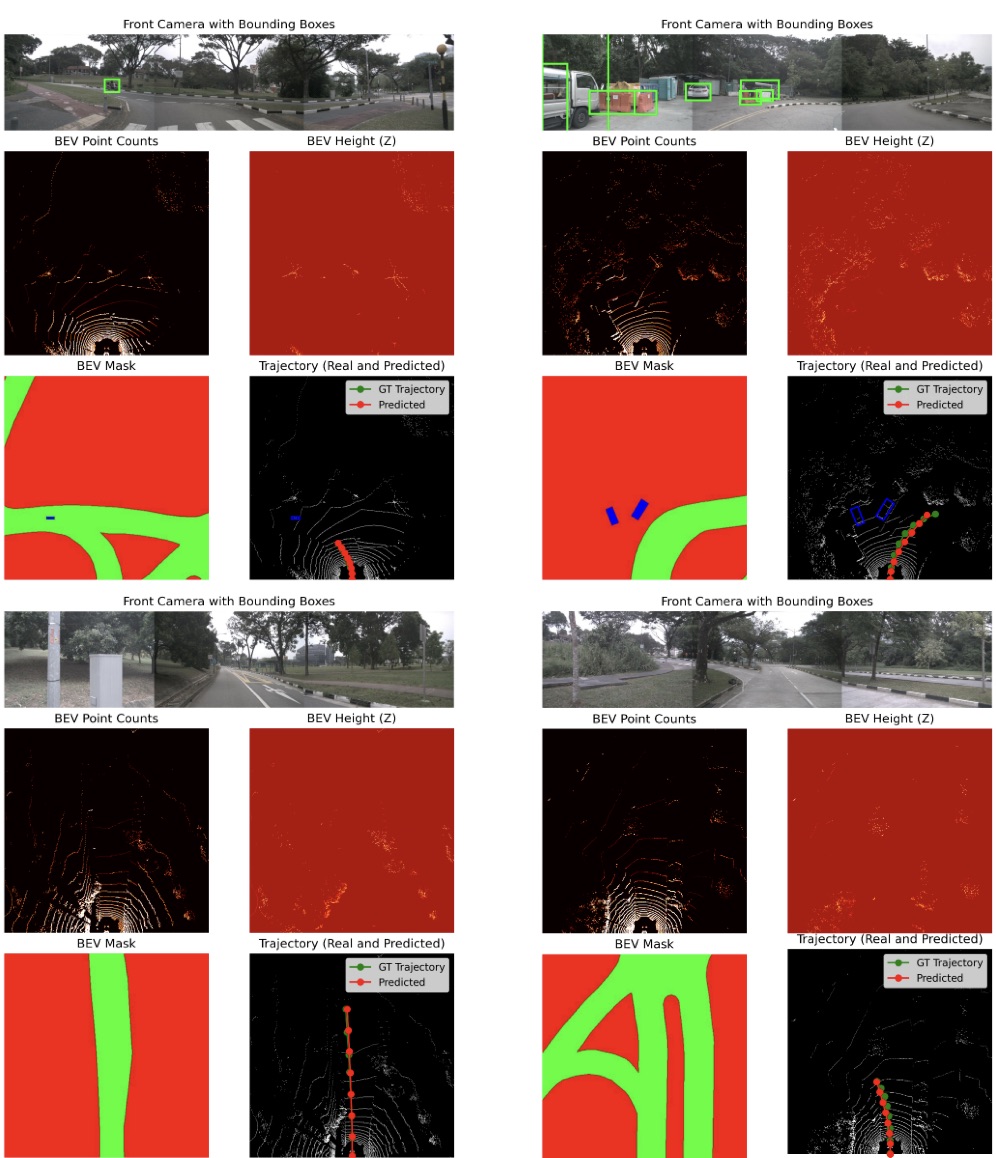
Self-driving cars have to guess where everything around them is about to go, fast, with partial information. I wanted to actually build a model that does that, not just read papers about it. I trained a deep learning pipeline on nuScenes, real autonomous-driving sensor data, going from raw inputs straight to predicted waypoints; most of the time went into getting the loss function to reflect what "good" actually looks like, not just low error.
Ended up with a model that holds up against the nuScenes benchmarks, and a much better gut sense for why self-driving is such a hard problem.
02 Bio Printing User Interface CS #0xFC0·0002/10
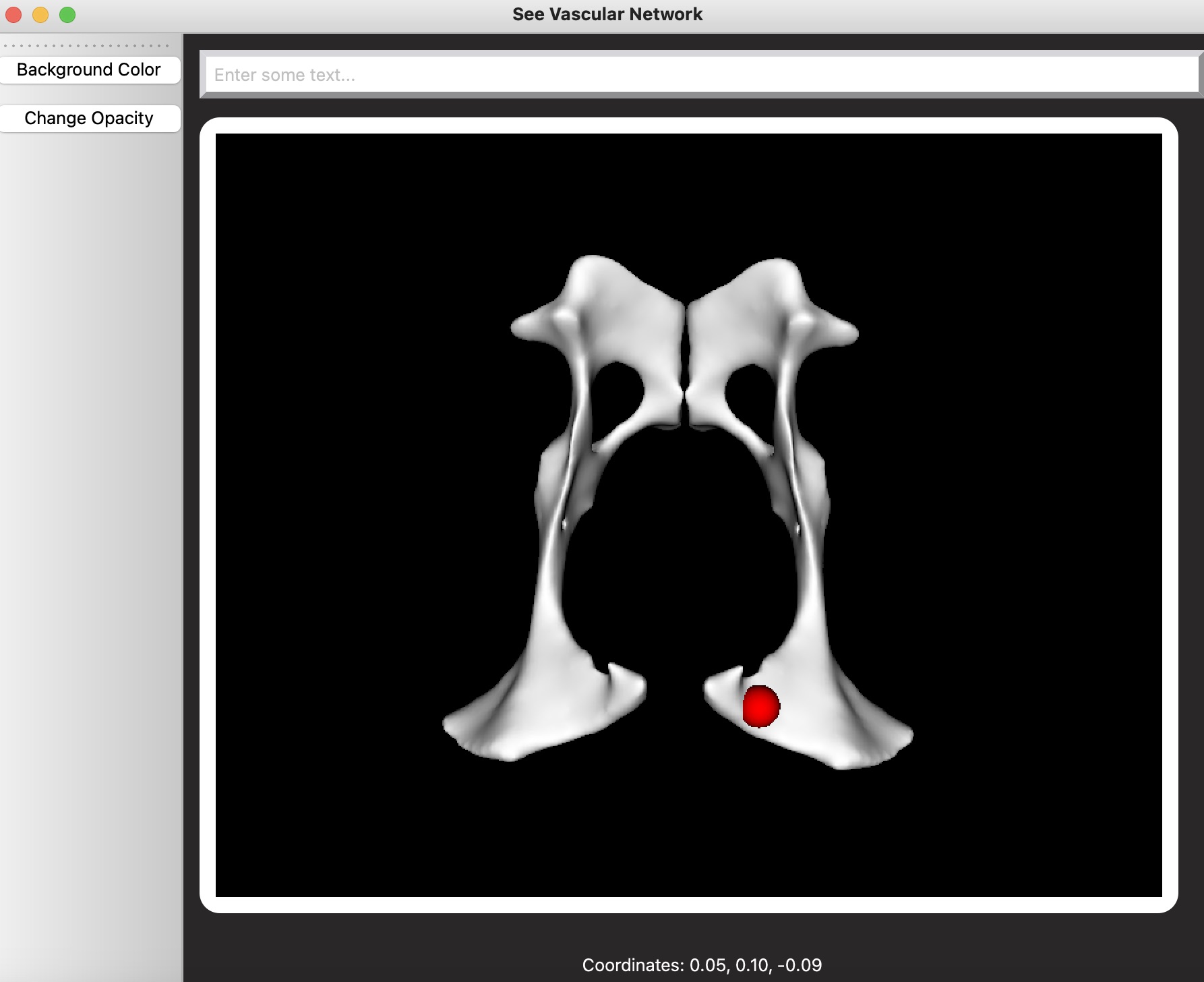
A bioprinting lab had 3D scans of vascular structures that only made sense as raw volumetric data. Nobody without a CS background could actually look at them. So I built a GUI that lets researchers rotate, slice, and inspect 3D vessel models directly, instead of parsing point clouds by hand.
Researchers started using it day-to-day, which, for a student side project, was the whole point.
03 Website for Her CS #0x0DF·0003/10
I wanted to ask my girlfriend Daniela out, and a text felt like it undersold the effort, so I built a small site from scratch just for her: its own copy, layout, and probably more attention to detail than something only one person would ever see really needed.
She said yes. Still the best-received launch I've shipped.

04 L'Ink App CS #0x11C·0004/10
Most note-taking apps are built for typing, not drawing, and the ones that support sketching rarely feel good to share or collaborate in. I'm building a mobile app for collaborative sketching and note-taking, with a real-time sync layer so two people can draw on the same canvas without it feeling laggy.
Still in progress. Current builds already support live shared canvases; UI polish is next.
05 Electro Cardiogram EE·ME #0x878·0005/10
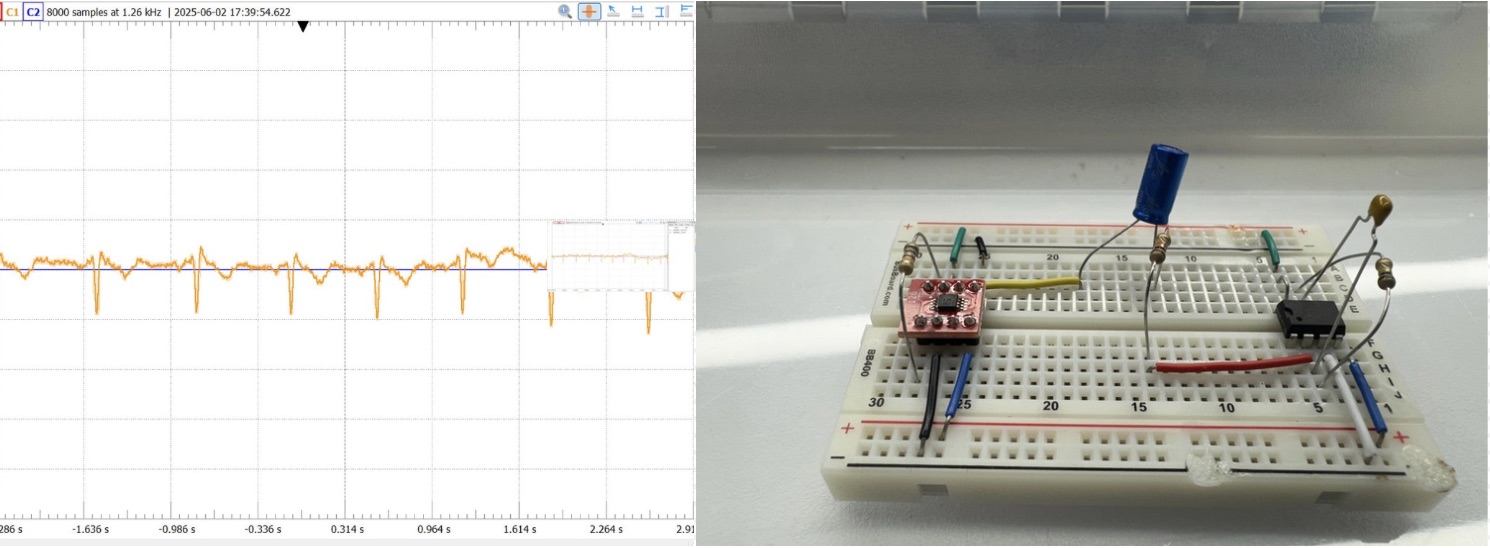
I wanted to actually understand how an ECG works at the circuit level, not just know the textbook diagram, so I designed and built the amplification and filtering stages myself. Spent a while figuring out why my "clean" signal kept picking up 60Hz noise from everything else in the room.
Ended up with a circuit that reliably reads a real heartbeat, and a much better intuition for analog signal chains.
06 Truss EE·ME #0x3E5·0006/10
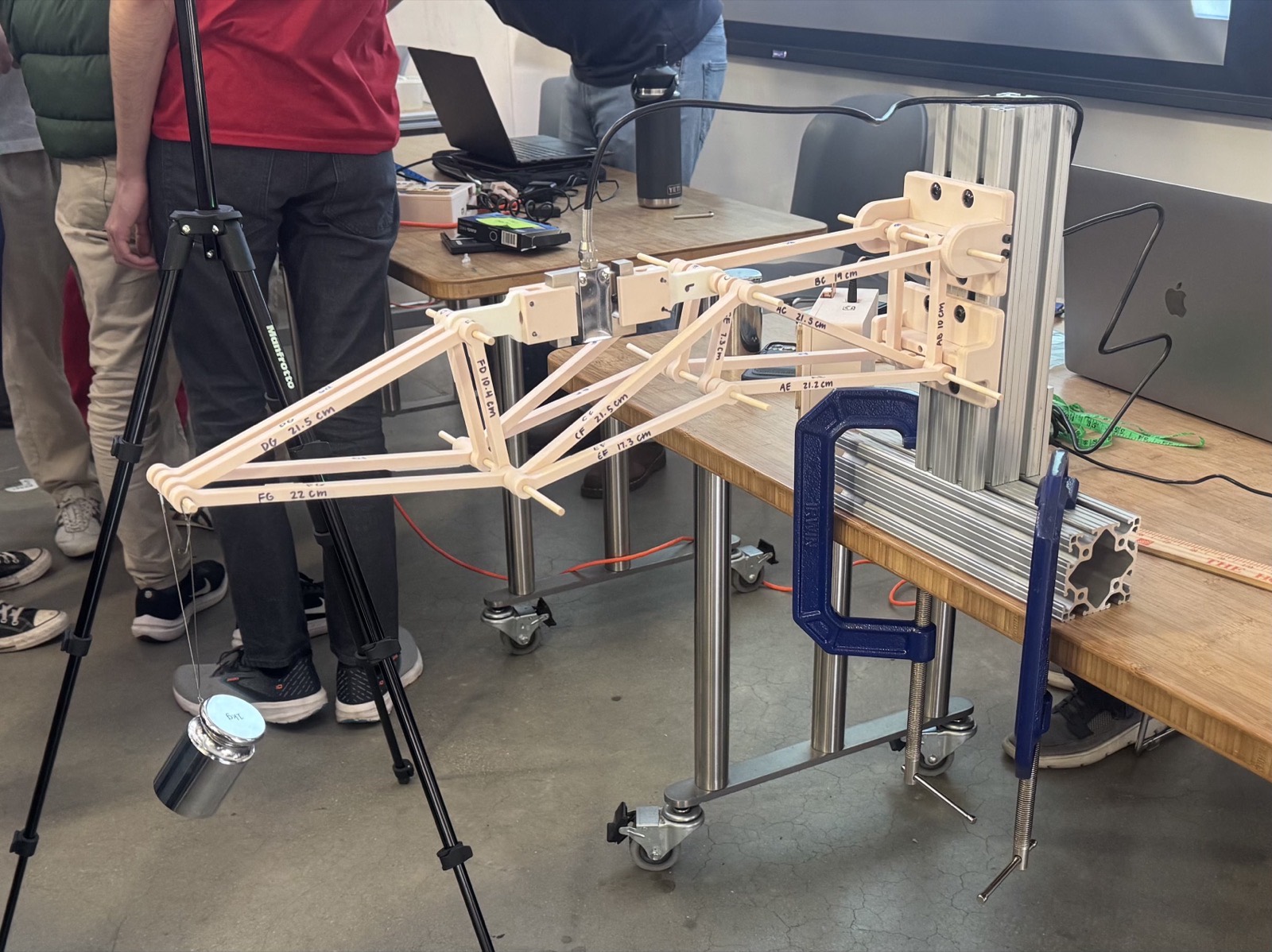
Wanted hands-on proof that the structural analysis math I'd been doing on paper actually holds up. I designed a truss structure and iterated on the geometry, pushing for the best strength-to-material ratio I could justify with the load calculations.
A design that held up to the numbers, and a better feel for why engineers obsess over triangles.
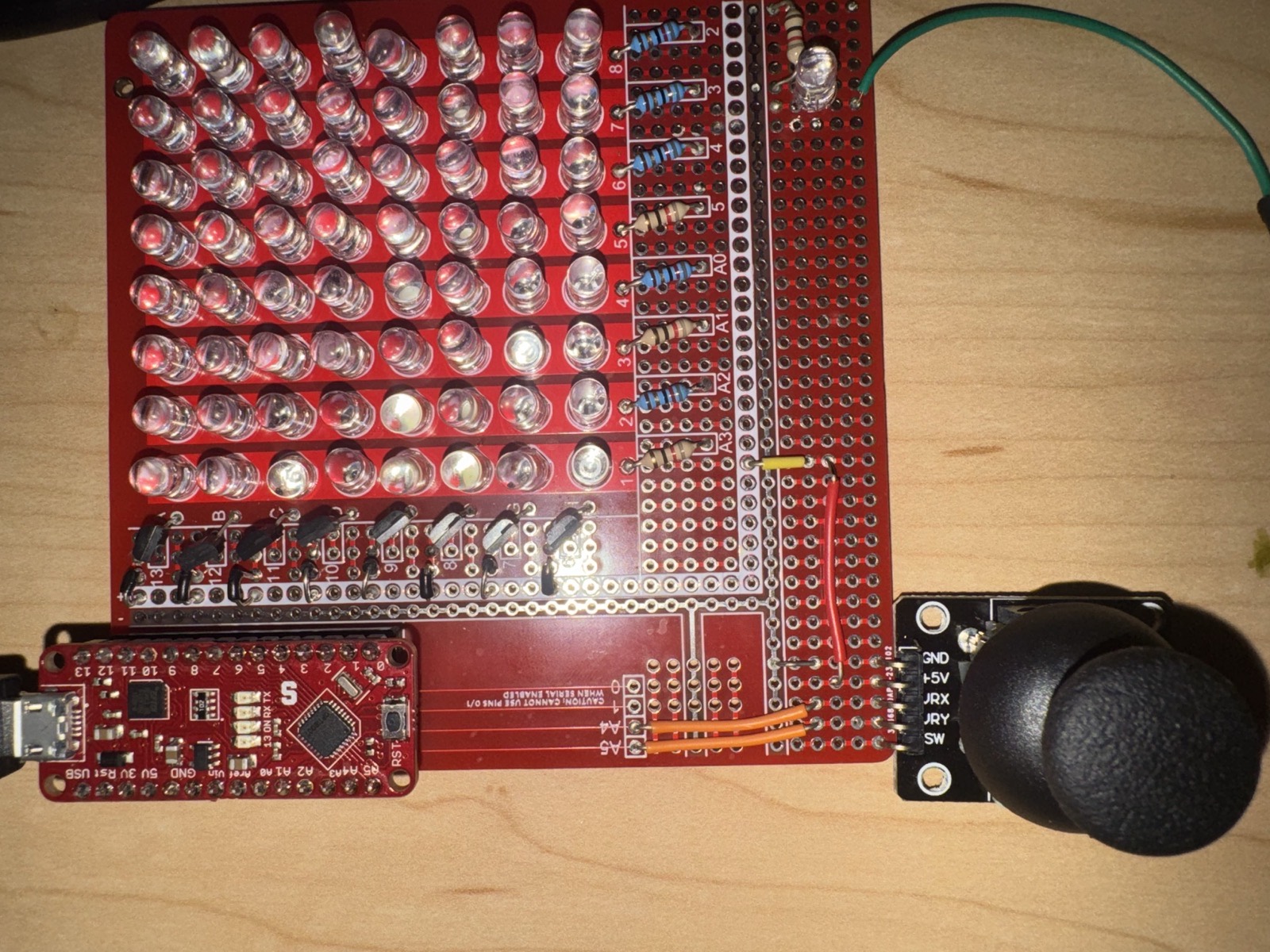
07 LED Board EE·ME #0xB0A·0007/10
Wanted to build something physical and interactive from scratch, not just the display, but the electronics and the game logic driving it too. I designed and built a custom LED board, wiring the hardware and writing the control logic myself.
It plays Pong. Genuinely one of the most fun things I've built.
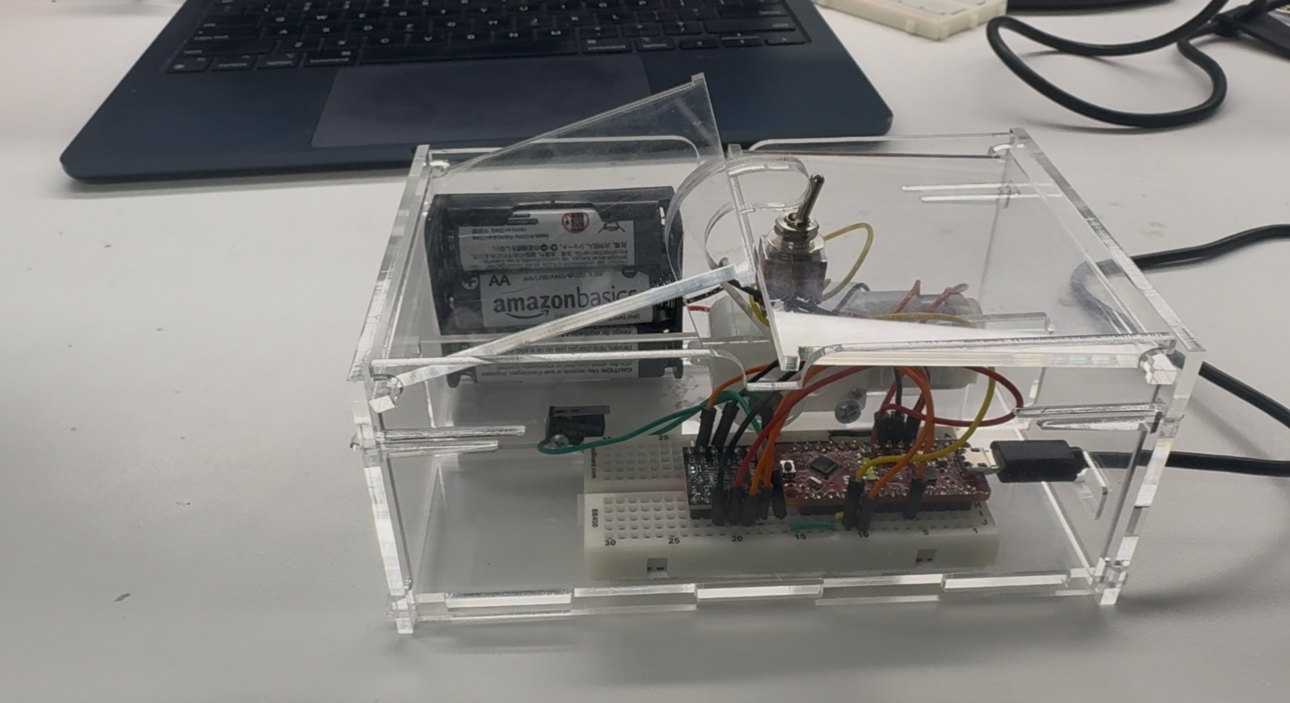
08 Useless Box EE·ME #0x6E1·0008/10
The classic beginner electronics build: a box whose entire function is turning itself off. I built the mechanism and control logic, then kept going past the obvious version and added a few extra personality modes, including one that acts "shy."
A fully working useless machine that's somehow more entertaining than most of my useful projects.
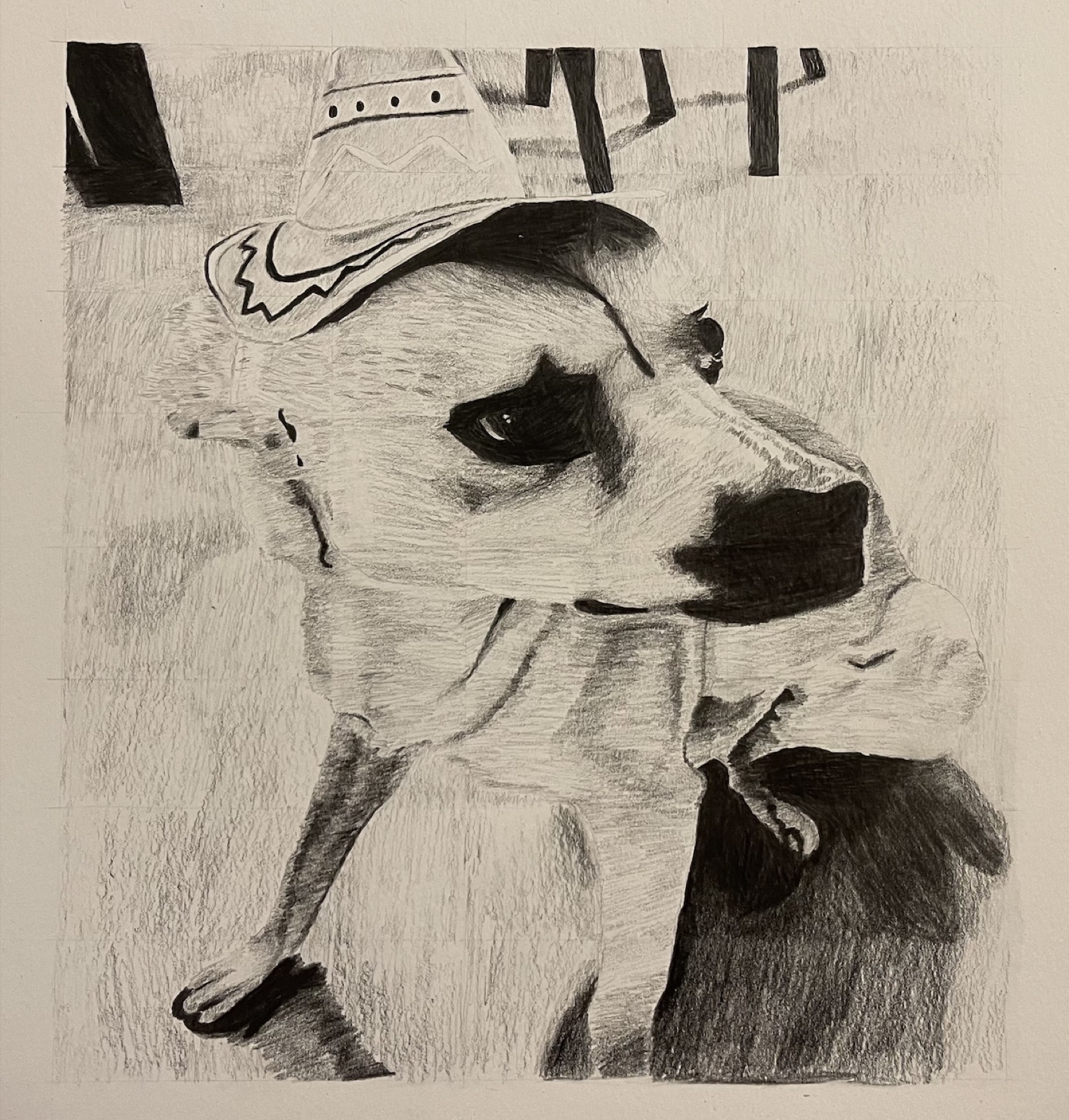
09 "Cook" DRAW #0xFE9·0009/10
Wanted to draw my friend's dog, Coco (we call him Cook), properly, instead of the quick sketches I was used to. My first real attempt at a realistic portrait, and I spent most of the time on fur texture, getting the lighting to actually read as fur and not fuzz.
First finished portrait-style piece I was genuinely proud of.
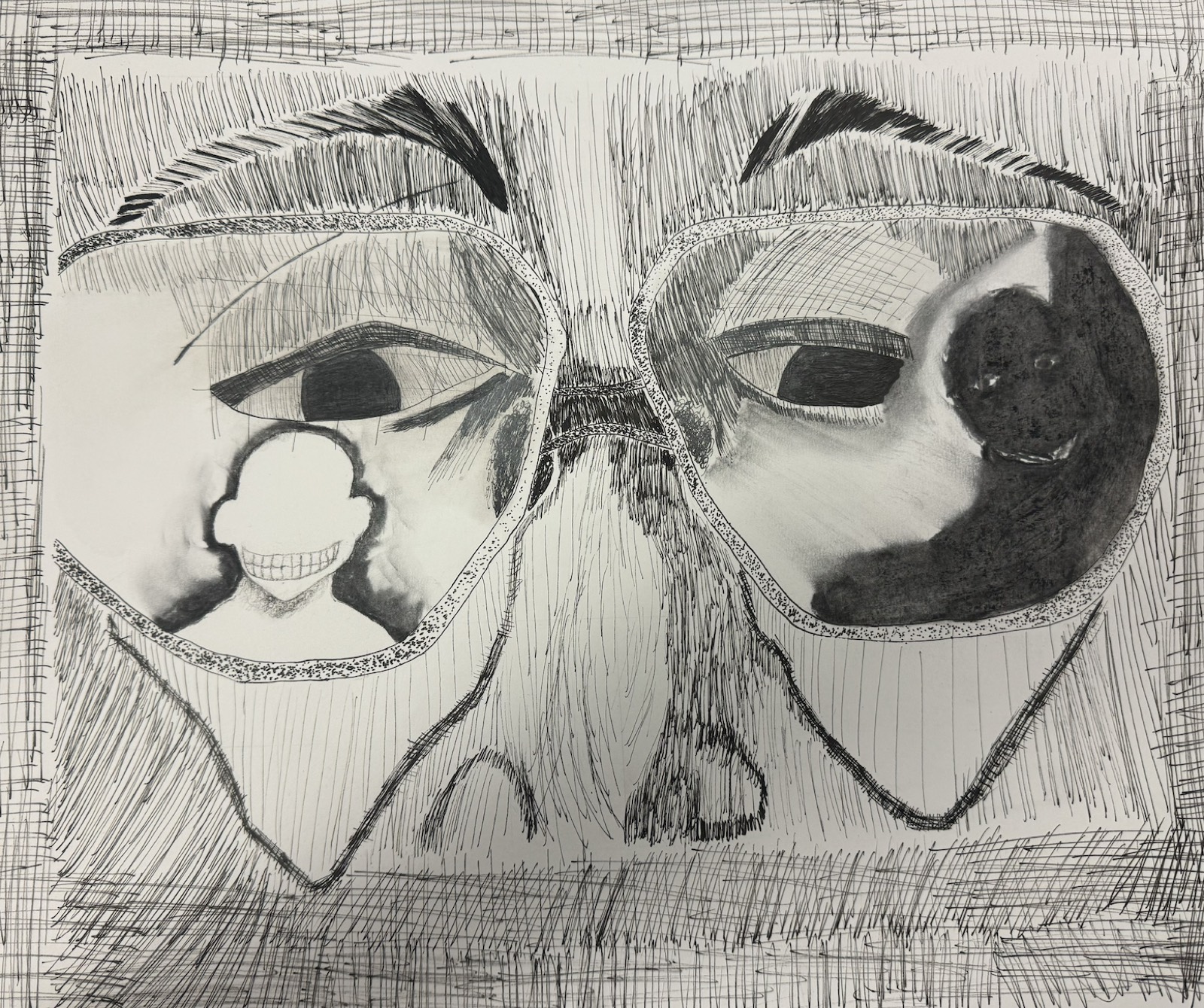
10 "Unnamed" DRAW #0xD79·0010/10
I'd just read a research paper on schizophrenia and had a lot I wanted to process that wasn't going to come out as a sentence, so I drew it instead, leaning into fragmentation and distorted perspective to get at something the paper's language couldn't.
The piece that convinced me drawing and engineering aren't that different; both are just ways of making an idea visible.
Hiring, recruiting, or just curious
Let's build something loud.
Profile
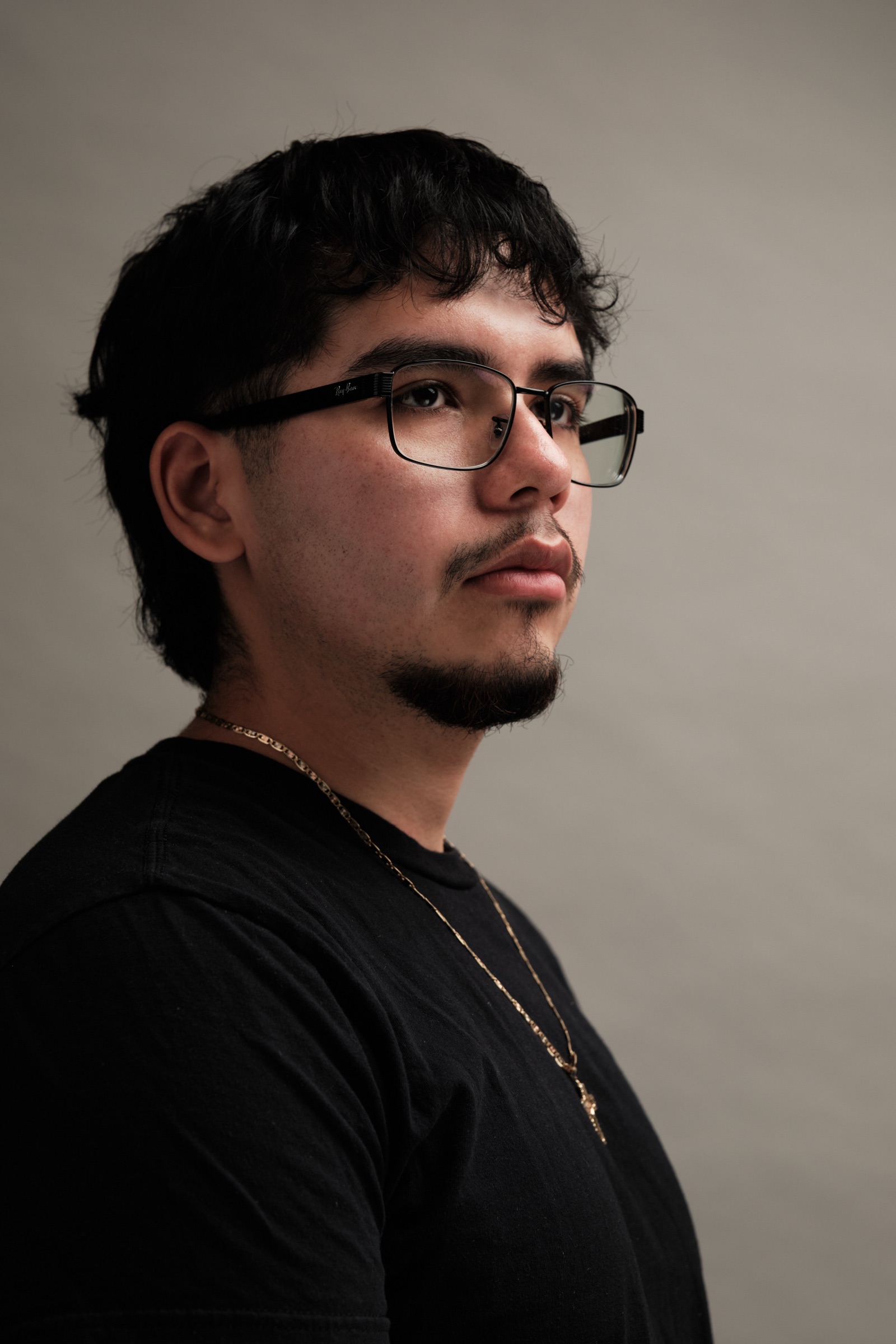 Bryan · CS·AI
I graduated from Stanford with a CS degree, AI track. Now I'm a founding engineer at Alterion, leading the AI team. Outside of that: powerlifting, piano, and more video games than I'll admit to.
Stanford University, B.S. Computer Science (AI Track)
- Python
- C/C++
- TypeScript
- PyTorch
- TensorFlow
- Docker
- Kubernetes
- LangChain
- React
- SQL
- AWS
- GCP
- 10
- Shipped projects
- 03
- Disciplines
- AI
- Concentration
- ∞
- Coffee / commit